How a Dash Camera Protects the Driver in Qatar
Every camera conversation starts from the company side, and the driver hears one thing: they do not trust me. In practice the person the footage saves most often is the driver.
Every camera conversation starts from the company side, and the driver hears one thing: they do not trust me. In practice the person the footage saves most often is the driver.
“It improves safety” loses budget meetings. Five specific places money leaves a fleet, what footage changes, what it does not, and a twenty-minute calculation you can do yourself.
The accident was Tuesday. On Wednesday the clip did not exist. It is almost never the camera — it is the card, the wiring or the retention, decided months earlier.
A forward camera tells you what the vehicle hit. It does not tell you the driver’s eyes had been closed for four seconds. That gap is a separate purchase.
The generator was there on Thursday and gone on Saturday. Plant needs self-powered trackers, hidden mounting and time-based alerts — not the device you fit to a van.
A WOQODe tag proves what you bought. It cannot prove what stayed in the tank. Losses live in the gap between the two, and only two of the five common causes are actually theft.
Government schools now take attendance by palm recognition, and parents at private schools are asking what you have. Bus tracking and attendance are two different problems.
A compound is not a large office. Four hundred men leave through one gate in twenty minutes, and the system has to answer three questions without watching people sleep.
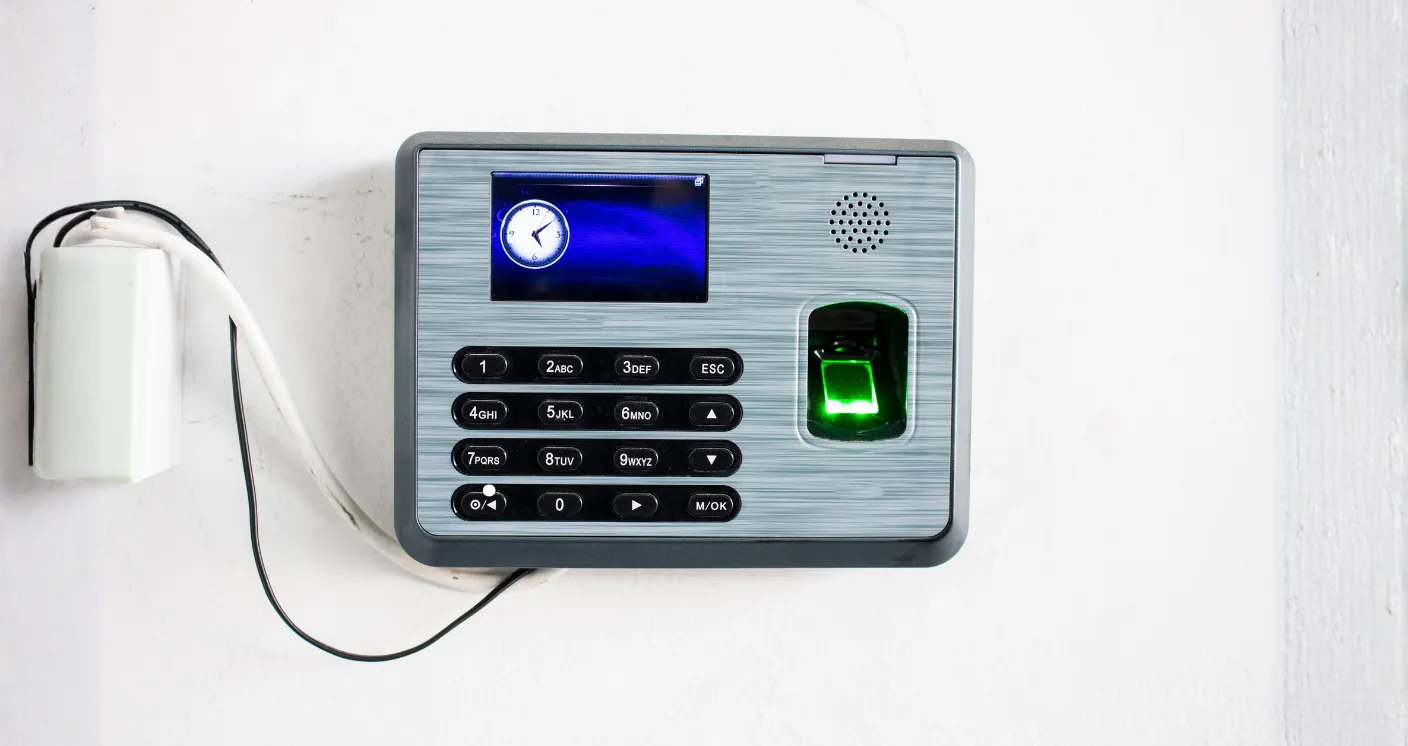
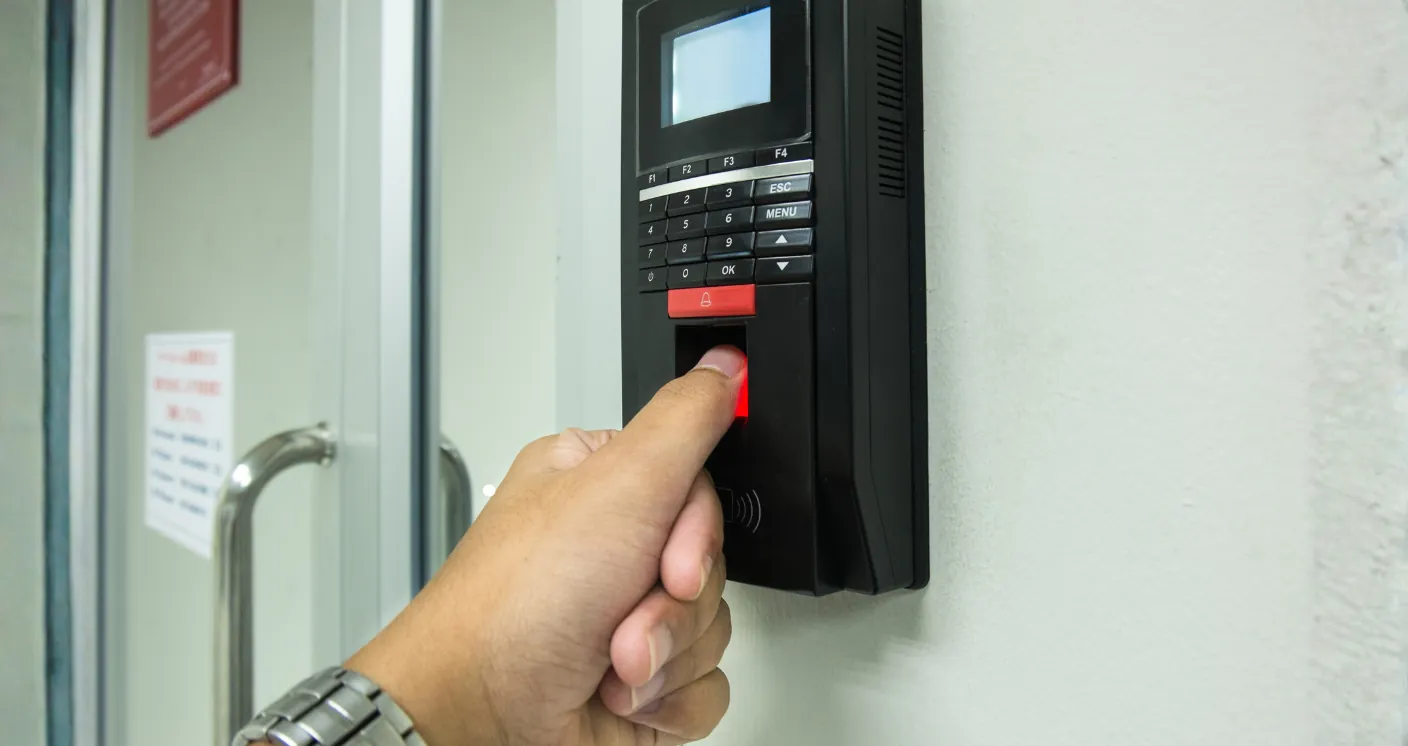
The terminal is the easy part. What breaks payroll is the gap between what the device recorded and what you can defend three months later.
Nobody publishes a price because a number given without seeing the site is a guess. Here is what actually sets it, how to compare two quotations, and where people over- and underspend.