
Driver Fatigue Monitoring for Fleets in Qatar: The Four Seconds a Dash Cam Misses
A forward-facing camera tells you what the vehicle hit. It does not tell you that the driver’s eyes had been closed for four seconds beforehand. Those four seconds are the whole event, and they are the only part that could have been prevented.
That gap is why driver fatigue monitoring for fleets in Qatar is a separate purchase from a dash camera, even when the two arrive in the same box. One is evidence. The other is an attempt to make the evidence unnecessary.
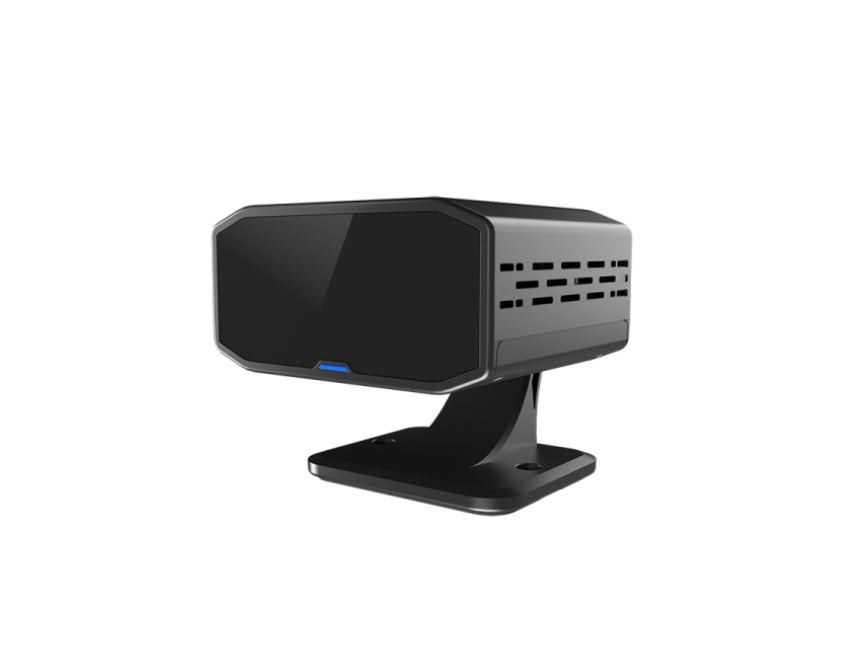
What a DMS camera actually watches
A driver monitoring system points inward, at the face. It is looking for a short list of specific things:
- Eye closure beyond a threshold — the microsleep that the driver will not remember.
- Head position dropping or turning away from the road for too long.
- Phone to the ear or in the hand.
- Smoking, where the operator’s policy forbids it.
- Driver absent or the lens covered — which matters more than it sounds.
When it sees one, it does something immediately: an audible alert in the cab. That in-cab warning is the part that prevents accidents. The clip sent to the office is what lets you see a pattern later.
Keep those two functions separate in your mind while you evaluate suppliers. A system that only uploads clips is a reporting tool. A system that only beeps is a gadget. You want both, and you want the beep to be instant and local — not dependent on a server round trip.
Fatigue is a Qatar problem, not a generic one
Qatar restricts outdoor work during the middle of the day in summer, and heat stress is a recognised occupational-health issue here — the framework sits with the Ministry of Labour. We are deliberately not going to tell you whether driving falls inside or outside those restrictions; that is a question for your legal adviser and the Ministry, and a supplier who answers it confidently is guessing.
What we can say from fitting these systems is operational, not legal:
- Drivers often keep working through the hours when other trades stop, which means the fatigue risk concentrates in a predictable window.
- A cab that has been standing in the sun is exhausting before the shift starts.
- Long straight runs — Doha to Mesaieed, Ras Laffan, Dukhan — are exactly the conditions where microsleeps happen: low stimulus, high temperature, familiar road.
If your fatigue alerts cluster between noon and four, that is not a coincidence, and it is a rostering conversation before it is a technology one.
The mistake that kills these projects
It is not the hardware. It is installing a camera that watches a person’s face and never explaining it to them.
Tell the drivers before it is fitted. Tell them what it looks at, what it does not record, who sees the clips, and what happens after an alert. A driver who believes the camera exists to catch him will cover the lens, adjust it, or disable it — and you will have paid for a system that produces nothing except a “camera obstructed” alert nobody acts on.
Fleets that get value from DMS treat the first month as calibration, not enforcement: gather the data, show drivers their own patterns, fix the roster problems the data exposes, and only then talk about consequences. Fleets that start with punishment usually end up with the cameras taped over.
What it gets wrong, honestly
Any supplier who tells you a DMS does not produce false alerts has not run one in this climate:
- Sunglasses. Dark lenses defeat eye-tracking on many systems. Ask specifically how the model handles them, because in Qatar most drivers wear them most of the day.
- Glare and low sun. Early morning and late afternoon are the hardest conditions for an inward camera.
- Beards and face coverings change what the algorithm sees.
- Yawning is not fatigue. Treating every yawn alert as a finding will bury the real ones.
Expect to tune thresholds over the first weeks. A system delivered at factory defaults and never adjusted is the most common reason a fleet concludes “it does not work.”
Driver fatigue monitoring for fleets in Qatar: what to ask before you buy
- Does the in-cab alert work with no network connection at all?
- How does it behave with sunglasses — show me, in a vehicle, not on a slide.
- Can we adjust sensitivity per alert type, and who does that?
- What exactly is uploaded — the clip, a still, or just the event?
- Who can watch cab footage, and is that access logged?
- What happens when the lens is covered, and how quickly do we know?
- How long is in-cab footage retained, and where?
That last group matters. A camera pointed at an employee’s face for ten hours a day is a serious thing to install. Decide the retention period and the access list before the first unit is fitted, write it down, and tell the drivers what you decided.
Where to start
Tell us how many vehicles you run, what your drivers’ longest continuous run looks like, and whether you have had an incident where fatigue was suspected. Those answers decide whether you need DMS across the fleet or on the long-haul vehicles first. We fit, tune the thresholds with you over the first weeks, and we will tell you when a vehicle does not need it.
More on the cameras themselves on our dash cameras page and the JC170 DMS camera, on choosing between models in how to choose a dash camera for your fleet in Qatar, and on the tracking platform behind them under GPS tracking. Or talk to us.