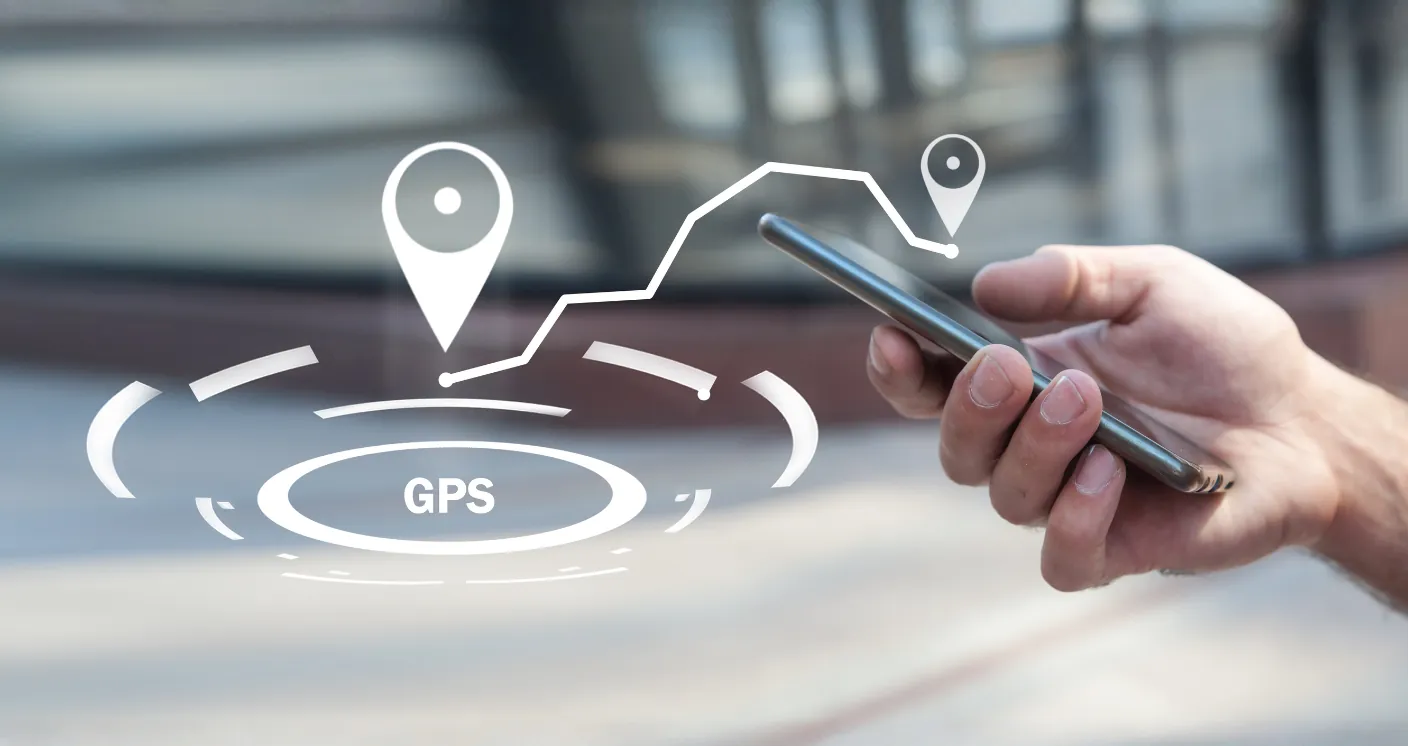
A Vehicle Tracking System in Qatar That Earns Its Keep
Pixels Technology delivers robust GPS and Vehicle Monitoring Systems that provide precise location data, advanced driver behavior analytics, and instant alerts to secure your assets.
Real-Time Geo-Fencing
Define specific operational zones and receive instant alerts if vehicles enter or exit restricted or unauthorized areas.
Driver Behavior Analytics
Monitor key metrics like harsh braking, excessive speeding, and idle time to ensure driver safety and reduce fuel consumption.
Comprehensive Reporting
Generate detailed reports on trip history, mileage, fuel usage, and maintenance schedules to optimize logistics planning.

Driving ROI Through Precision Tracking
Investing in our GPS systems delivers clear returns by significantly reducing operational costs, minimizing risks, and maximizing the overall utilization of your assets.
- Reduced Fuel Consumption
- Enhanced Asset Security
- Improved Maintenance Scheduling
- Regulatory Compliance
Working Hours
Sat – Wed: 8:00 AM – 5:00 PM
Thursday: 8:00 AM – 5:00 PM
Friday: Closed
Call to ask any question
44212322
Vehicle tracking system in Qatar, installed and supported locally
A vehicle tracking system in Qatar has to survive long summers, dusty sites and vehicles that cross the country in a single shift. Pixels Technology supplies, fits and supports GPS tracking for fleets of every size in Qatar, from a handful of pickups to hundreds of trucks, buses and plant. We are based at Al Mirqab Mall in Doha, we install on site, and the same team answers the phone afterwards.
Every system combines three things: a tracking device suited to the vehicle, a platform you actually use each day, and an installation that will not come loose or drain a battery. We handle all three, and we stay with the fleet after handover.
What is included
The tracking device
We fit devices from Jimi IoT, a manufacturer whose hardware is used by fleets worldwide. The right choice depends on the vehicle and on what you need to know:
- OBD plug-in trackers such as the VL512 and VL502 fit into the diagnostic port of a passenger car in under a minute. The VL502 also reads engine data such as VIN, engine speed and accumulated mileage.
- Hardwired trackers such as the VL103M and JM-VL01 are concealed inside the vehicle, which suits rental fleets, heavy vehicles and anything where a plug-in device could be removed.
- Battery and solar asset trackers such as the LL302 and the solar LL303 track trailers, generators, containers and machinery that have no power supply of their own.
- Personal trackers such as the Qbit M are carried by people rather than fitted to vehicles, for lone workers, children or elderly relatives.
- Video telematics adds a camera to the same platform. See our 4G dash cameras if you need to see what happened, not only where it happened.
The platform
Tracking data reaches you through Tracksolid Pro, available in a browser and as a mobile app. You see live position, trip history, geofences, alerts and reports from the same account, whether the fleet has five vehicles or five hundred. We set up your account, your geofences and your alert rules during installation, and we train the people who will use it.
The installation
Installation is carried out by our own technicians in Qatar. Hardwired devices are connected to permanent power with the correct fusing, hidden from casual view, and tested before the vehicle leaves. Plug-in devices are fitted and verified on the spot. Every unit is checked on the platform before we hand the vehicle back, so no vehicle leaves the workshop untracked.
The features that matter for a fleet in Qatar
- Live location on a map, updated continuously while the vehicle moves.
- Geofencing for yards, customer sites, depots and restricted zones, with entry and exit alerts. Useful for proving arrival times and for knowing when a vehicle leaves an area it should not.
- Speed alerts against a limit you set, with the time, place and duration recorded.
- Driver behaviour: harsh braking, harsh acceleration and sharp cornering, scored per driver so coaching is based on data rather than opinion.
- Idling reports, which in a Qatari summer is one of the largest and most avoidable fuel costs a fleet carries.
- Route replay for any vehicle on any past day, which settles disputes about where a vehicle was and when.
- Scheduled reports delivered automatically, so supervisors receive the numbers without logging in.
- Ignition, power-cut and tow alerts, so an unauthorised movement or a tampered device is noticed immediately.
- Remote immobilisation where it is fitted and legally appropriate, used by rental companies and for recovery after theft.
Fleets we work with
The requirement is rarely the same twice, and the setup differs accordingly:
- Construction and plant: solar asset trackers on equipment that sits on site for weeks, plus hardwired units in the pickups and water tankers that serve it.
- Logistics and distribution: geofences on every customer site, arrival and departure timestamps, and route replay for delivery disputes.
- Rental and leasing: concealed hardwired devices, mileage tracking between rentals, and alerts if a vehicle leaves an agreed area.
- School and staff transport: live location for supervisors, speed limits enforced by alert, and arrival confirmation for parents or HR.
- Facilities and service teams: proof of attendance at each site visit, and fair allocation of the next job based on who is actually nearest.
- Government and institutional fleets: reporting that stands up to audit, and role-based access so each department sees only its own vehicles.
How a tracking project runs
1. Survey. We look at the vehicle types, where they operate and what you need to measure. A fleet that needs proof of site attendance is configured differently from one chasing fuel waste.
2. Proposal. You receive a written quotation covering devices, installation, SIM connectivity and platform access, with nothing hidden inside the total.
3. Installation. Vehicles are fitted in batches so that your operation keeps running. We can work outside business hours when a fleet cannot stand down during the day.
4. Configuration and training. Geofences, alerts, users and reports are set up with you, and your team is trained on the platform and the mobile app.
5. Support. Devices are covered by warranty, and we handle faults, vehicle changes, new joiners and transfers as the fleet changes.
Choosing between the devices
If you are unsure which device fits, the short version is this. Choose an OBD tracker for passenger cars where installation speed matters. Choose a hardwired tracker when the device must stay out of sight, when the vehicle has no usable OBD port, or when the fleet is commercial. Choose a battery or solar asset tracker for anything without its own power, such as trailers, generators, containers and site equipment. Choose a dash camera when the dispute you keep having is about how an incident happened rather than where the vehicle was. We would rather recommend the right device on a call than sell you the largest one.
Tracking as part of a wider system
Most of our clients do not buy tracking on its own. The same team also installs CCTV systems at the yard the vehicles return to, biometric attendance systems for the drivers who operate them, and the structured cabling that carries it all. One supplier, one point of contact and one warranty conversation is usually simpler than three.
What drives the cost
Three things move the price of a vehicle tracking system in Qatar. The device comes first: a plug-in OBD unit costs less than a solar asset tracker, and a multi-channel camera costs more than either. The installation comes second: a concealed hardwired fit takes longer than a plug-in, and a camera installation longer again because the lenses have to be aimed properly. The running cost comes third, covering the data SIM and platform access per vehicle per year. We quote all three separately so you can see what you are paying for and decide where to spend.
Getting value in the first ninety days
Fleets that get the most from tracking do the same few things. They take a baseline in the first month and do not change anything, so later comparisons mean something. They pick no more than three measures to improve, usually speeding events, idling hours and unauthorised use. They show drivers the data rather than springing it on them in a disciplinary meeting. And they review the numbers monthly with the supervisors who can actually act on them. A system nobody looks at delivers nothing, however good the hardware is.
Drivers and data
Tell your drivers the vehicles are tracked, and tell them what is measured and why. In our experience that single conversation removes most of the resistance, and it is the fair way to run a programme that will be used in performance reviews. Access on the platform is role-based, so a supervisor sees their own vehicles and nothing else, and history is retained so an incident can still be reconstructed weeks later.
Terms you will meet
- Geofence: a boundary drawn on the map that triggers an alert when a vehicle enters or leaves it.
- ADAS: advanced driver assistance, which warns about lane departure and closing distance to the vehicle ahead.
- DMS: driver monitoring, which watches the driver for fatigue, distraction and phone use.
- OBD: the diagnostic port fitted to modern vehicles, which a plug-in tracker uses for power and data.
- Route replay: playing back a vehicle’s exact movements for a chosen day.
- UBI: usage-based insurance, where premiums reflect measured driving behaviour.
Frequently asked questions
How long does installation take?
An OBD device takes a few minutes. A hardwired installation typically takes half an hour to an hour per vehicle, depending on the model and where the unit is concealed.
Does tracking work everywhere in Qatar?
Coverage follows the mobile network, which is comprehensive across Qatar. Devices buffer data when a vehicle passes through a gap, such as an underground car park, and upload it once the signal returns.
Will a tracker drain the vehicle battery?
Correctly installed devices draw very little current and sleep when the ignition is off. Battery-powered asset trackers are a separate case, and are chosen for the standby time the application needs.
Can I see the fleet on my phone?
Yes. Tracksolid Pro has iOS and Android apps with live location, alerts and history, and each supervisor can be given access only to the vehicles they are responsible for.
Is there a subscription?
Tracking needs a data SIM and platform access, which are quoted with the system so you can see the running cost before you commit.
Can existing trackers be moved to your platform?
Sometimes, depending on the make and model. Send us the model number and we will tell you honestly whether it can be migrated or whether replacing it is the better option.
What happens when a vehicle is sold or replaced?
We remove the device, refit it to the replacement vehicle and update the platform, so your history and reporting stay intact.
Do cameras and trackers appear on one screen?
Yes. Jimi dash cameras such as the JC450 Series and the JC261 report into the same platform as the trackers, so location and video sit together.
Talk to us about your fleet
Tell us how many vehicles you run and what you need to prove, and we will tell you what we would fit and why. Call 4421 2322 or 6624 0400, email info@pixelsqa.com, or use the contact page. We are open Saturday to Thursday, 8:00 AM to 5:00 PM, at Al Mirqab Mall, Block B, Second Floor, Office 205, Doha.
Three fleets, three different systems
It is easier to picture a vehicle tracking system in Qatar through examples than through specifications. These are typical of the work we do.
A delivery fleet of twenty five vans
The operator’s problem was proof of delivery times, not theft. We fitted hardwired trackers so nothing could be unplugged, drew geofences around every regular customer site, and set arrival and departure events to record automatically. Supervisors receive a daily report of stops by van, and when a customer disputes a delivery window the answer takes thirty seconds instead of a phone call to a driver who was there yesterday. Speeding alerts came second, once the delivery question was settled.
A contractor with mixed plant
Pickups and water tankers received hardwired units. Generators, lighting towers and a compressor received solar trackers, because they have no ignition feed and sit on site for weeks. The yard was geofenced, and so were the three active sites. The value showed up in two places: equipment stopped disappearing over weekends, and the hire company could prove which site a machine was on when a client questioned an invoice.
A rental company with sixty cars
Concealed hardwired trackers, mileage captured between rentals, and an alert if a car crossed an agreed boundary. Immobilisation was fitted where the company’s policy and the rental agreement allowed for it, and it has been used exactly twice, which is the point. Tracking also settled fuel-level arguments at return, because the trip history showed where the car had actually been.
Tracking and cameras together
Tracking answers where and when. A camera answers how. Fleets that carry the most risk, or that face the most disputes, pair the two on the same platform. The JC450 Series records several channels at once for trucks and buses. The JC261P covers the road and the cabin in one compact unit. The JC170 adds driver monitoring to an existing setup. If your insurer asks for footage after an incident, or your drivers are regularly blamed for collisions they did not cause, video changes the conversation.
What a fleet manager should ask any supplier
- Who installs it? Subcontracted installation is where quality varies most.
- What is the total annual cost per vehicle, including SIM and platform, not only the device?
- What happens when a device fails, and how quickly is it replaced?
- Can I export my own data, and does it remain accessible if I change supplier?
- Who trains my supervisors, and what does that training cover?
- Is the platform used daily by someone in my own team, or will it quietly go unused after month one?
We are happy to answer all six in writing before you buy anything.
Moving from another provider
Changing tracking supplier is less disruptive than most fleets expect. We survey the existing installation, confirm which devices can stay and which need replacing, and phase the changeover so the fleet is never blind. Historical data can usually be exported from the outgoing platform, and we will tell you what can and cannot be carried across before you commit to the move.
Coverage, response and what to send us
We install across Qatar, including sites outside Doha, and we schedule batches so a fleet is never off the road longer than agreed. To quote accurately we need very little: the number and type of vehicles, whether any are already tracked, and the two or three questions you want the system to answer. If cameras are part of the requirement, tell us whether you need the road, the cabin, or both, and whether the vehicles are cars, vans, trucks or buses. With that we can propose a system and a realistic installation schedule, usually the same week.
LOCATION
Doha, Al Mirqab Mall Block B, 2nd floor, office 205
WORKING HOURS
Sat – Thu: 8:00 AM – 5:00 PM
Friday: Closed
CONTACT
info@pixelsqa.com
44212322 - 66240400